
 01
Furnace Repair
Technicians test limit switches, igniters, and inducer motors while checking for cracked heat exchangers that allow combustion gases into the airstream.
HVAC · the USA
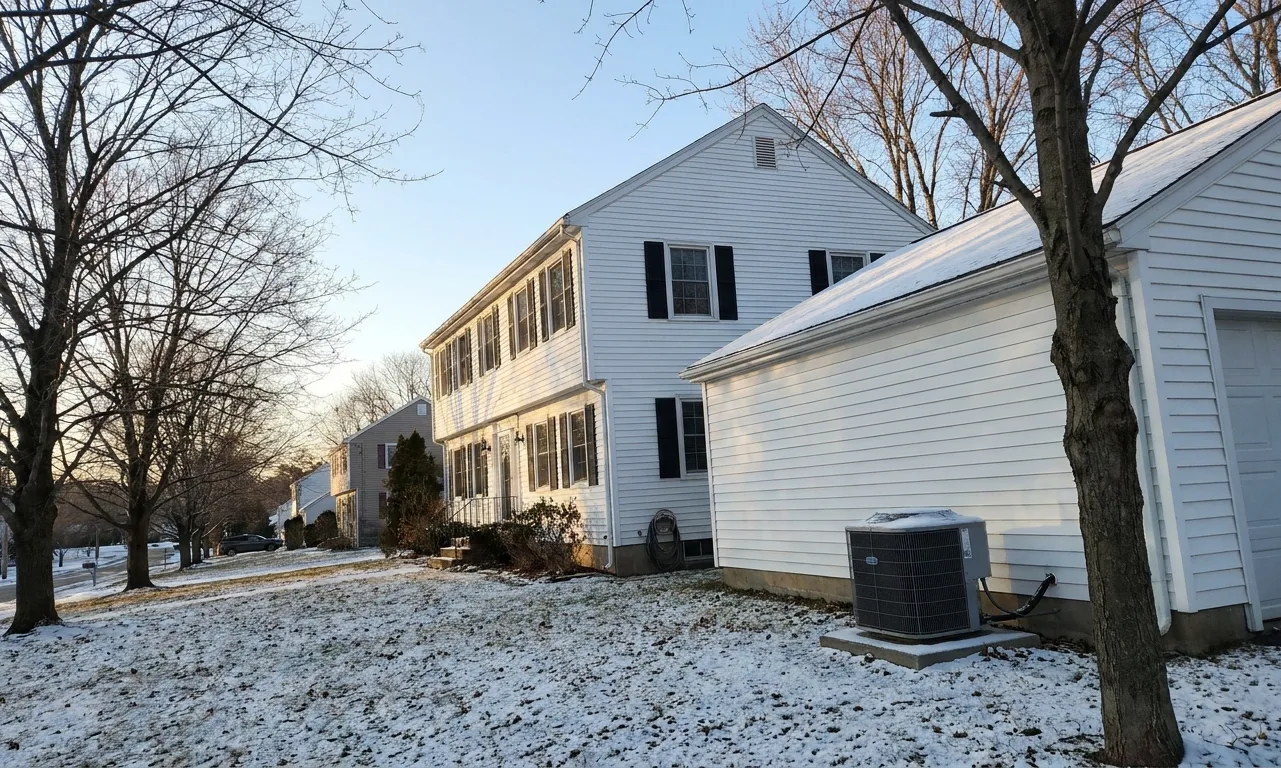
Cupe Mechanical HVAC sends technicians to diagnose and repair furnaces, boilers, heat pumps, and air conditioners on properties throughout the USA.
Technicians measure static pressure across filters, coils, and ducts before adjusting dampers or replacing media.
Flue gas readings confirm proper air fuel ratio and safe venting on gas fired equipment during every visit.
Blower amperage and temperature split are recorded to verify the repair restored design cubic feet per minute.
Cupe Mechanical HVAC technicians work on residential and commercial equipment. Each service targets specific components such as heat exchangers, reversing valves, and supply air registers to restore operation.
01Technicians test limit switches, igniters, and inducer motors while checking for cracked heat exchangers that allow combustion gases into the airstream.
 02
Work includes bleeding air from zones, testing aquastats, and confirming circulator pump flow rates match the system design head pressure.
 03
Defrost board operation, reversing valve solenoid continuity, and superheat measurements are verified on both heating and cooling cycles.
 04
Coil cleaning, capacitor testing, and refrigerant charge adjustment occur after leak detection confirms the sealed system integrity.
 05
Linesets are evacuated to 500 microns before charging, and condensate drains are sloped to prevent water damage to interior finishes.
 06
Sheet metal transitions are sealed with mastic, and new runs maintain equal friction rate design to balance room temperatures.
 07
Technicians calibrate economizer dampers and verify VAV box minimum airflow settings against building load calculations.
 08
Filters are replaced, belts tensioned, and electrical connections torqued while condensate pans receive treatment to limit microbial growth.
Short cycling on a furnace often traces to a failing high limit switch caused by restricted return air or a dirty blower wheel. Heat pumps that blow lukewarm air in winter usually have low refrigerant or a reversing valve that failed to shift. Rising humidity levels indoors point to evaporator coil icing from low airflow or a failed condensate pump.
Turn the thermostat to off and switch the furnace breaker to the open position if unusual odors or sounds appear. Close supply registers in unused rooms to reduce load on the blower motor. Note any error codes displayed on the control board and record the sequence of operation before power is removed.
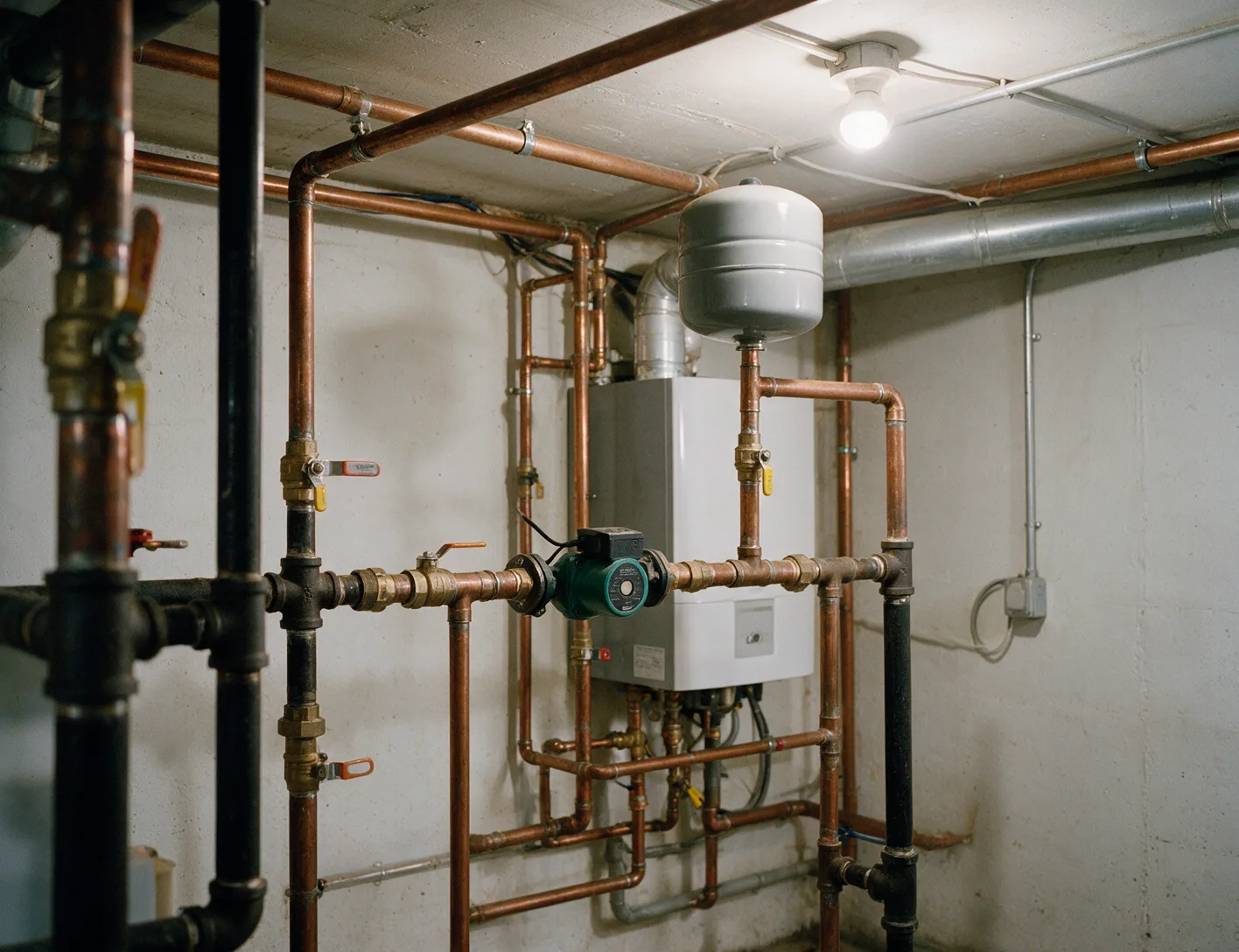
Cupe Mechanical HVAC follows a fixed sequence that isolates the root cause before any parts are ordered or replaced.
Power is isolated at the disconnect and lockout tags applied. Gas valves are confirmed closed before cabinet panels are removed.
Each motor, sensor, and valve receives resistance and voltage checks against manufacturer specifications printed on the unit data plate.
Only the confirmed faulty part is replaced, then the system is reassembled and fasteners torqued to prevent vibration induced failures.
The unit completes at least two full cycles while amperage, temperature split, and flue gas readings are recorded for the service record.
Technicians begin with visual inspection of the air filter and blower compartment for debris. They then measure voltage at the contactor, record capacitor microfarad values, and perform a combustion analysis if gas equipment is present. Supply and return temperatures are logged to calculate delta T before any component replacement begins.
Technicians compare the age of the heat exchanger against current efficiency ratings and the cost of new parts. When multiple safety controls have failed or the blower motor requires rewinding, replacement of the appliance is discussed. Duct modifications needed for a larger unit are also factored into the evaluation.
The final invoice reflects the number of components tested, the type of refrigerant recovered, and any sheet metal modifications required to restore proper airflow. Equipment location inside crawl spaces or on rooftops increases labor time because of access constraints and safety equipment needed. Older systems with nonstandard parts require additional time to source compatible replacements that match original motor frame sizes and gas valve capacities.
In older construction, technicians check for undersized returns and blocked chases that reduce total external static pressure readings. Rental properties often need lockable thermostats and condensate safety switches to prevent water damage to tenant finishes. Access panels on equipment in tight mechanical rooms are removed carefully to avoid disturbing existing insulation.
A stuck limit switch or a thermostat calling for fan only will keep the blower energized. Technicians measure control voltage at the fan relay to determine whether the issue is in the thermostat wiring or the safety circuit.
Closed or blocked supply registers, collapsed flex duct, or an improperly sized trunk line prevent design airflow from reaching distant rooms. Static pressure readings at the blower identify which section restricts total system capacity.
Technicians pressurize the system with nitrogen, then use an electronic detector along soldered joints, service valves, and evaporator circuits. Dye is added only after the leak point is confirmed and marked.
Standing water in the pan or a float switch trip indicates slime buildup inside the drain line. Technicians flush the line with a mild solution and verify the trap holds water to block sewer gases.
A faulty defrost sensor, low outdoor airflow from debris on the coil, or a reversing valve that leaks internally will trigger repeated defrost cycles. Sensor resistance and coil cleanliness are checked first.
Ignition sequence, gas pressure at the manifold, inducer motor operation, and limit switch continuity are verified in order. Each step rules out the next possible failure point before the heat exchanger is inspected.
Contact Cupe Mechanical HVAC to have technicians inspect and restore heating or cooling equipment on any property in the USA.